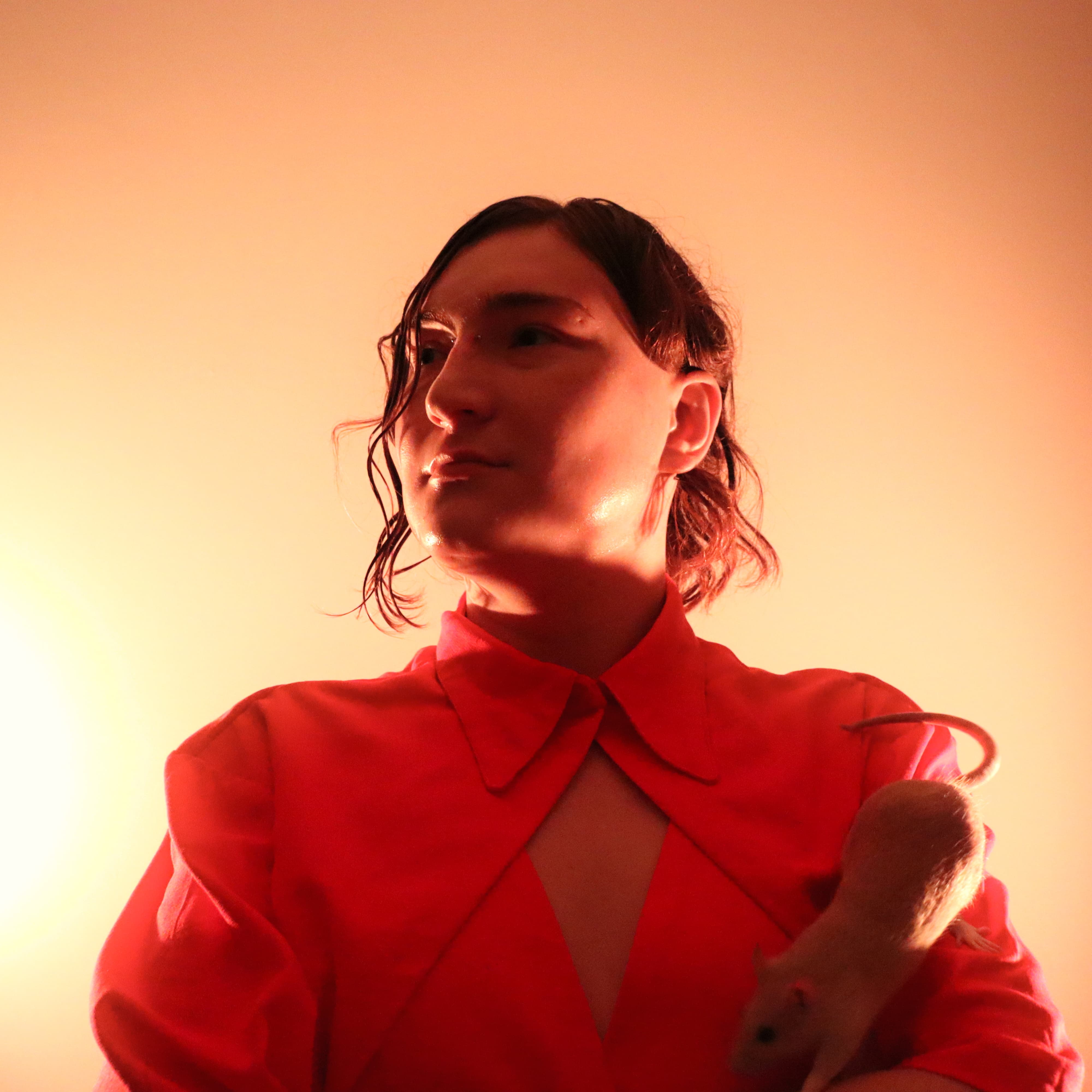
L. Madel
MADEL, Laura
MADEL, L.
L. B. H. Madel
MADEL, Laura Burkot Hungria
Laura Burkot Hungria Madel
MADEL, L. B. H.
M. Madel
MADEL, M.
MADEL, Matiz
Matiz Madel®
Étudiante en droit à l'Universidade Federal do Paraná (UFPR) et technicienne en administration diplômée de l'IFPR. Dotée d'une expérience en développement de logiciels, cette expertise technique vient enrichir un parcours académique juridique. Les recherches se concentrent sur le droit constitutionnel, les droits humains, la philosophie du droit et les politiques publiques, avec un intérêt marqué pour l'épistémologie, l'éthique et l'accès à l'information.
Une plateforme de portfolio dynamique et complète construite avec Laravel 13 et Filament 5, prenant en charge le contenu multilingue, la gestion des publications et la personnalisation de la mise en page.
Open Source
Développement Web
Portfolio
PHP Laravel
Académique
Plateforme open source développée spécifiquement pour afficher le profil et les publications des chercheurs universitaires. L'infrastructure technique du projet comprend :
Back-end : Laravel 13, PHP 8.4 et MySQL.
Panneau d'Administration : Filament 5.
Front-end : Tailwind CSS, Vite 8 et Node.js 20+.
Serveur : Ubuntu VPS, Nginx et HestiaCP.
Le système comprend un guide d'installation rigoureux pour les serveurs dotés de panneaux de contrôle restreints, une gestion sécurisée des liens symboliques, et une surveillance active des exceptions intégrée via Sentry. Distribué sous la licence MIT.
Actes de la XXVIIe Journée d'Initiation Scientifique du Programme d'Éducation Tutorale en Droit de l'Université Fédérale du Paraná (édition 2025), dont j'ai été l'une des organisatrices. L'ouvrage rassemble les articles sélectionnés lors de l'événement, couvrant des recherches interdisciplinaires sur les migrations, l'exécution pénale, la théorie du droit et les droits humains.
Initiation Scientifique
Droits Humains
Politiques Publiques
Droit Constitutionnel
Congrès
Coordination : Heloisa Fernandes Câmara.
Organisation : Bianca Heloise Santoni, Luísa Venancio Prim, Maria Julia Hornig, Matiz Madel, Thabata Cristina de Lima Amaral.
Éditeur : Programme d'Éducation Tutorale en Droit de l'Université Fédérale du Paraná, Curitiba, 2026.
ISBN : 978-65-5458-134-9.
Cet article analyse la mise en place de quotas pour les personnes trans au Brésil, en se concentrant sur les identités non binaires. La recherche a révélé que 22 universités publiques ont des quotas trans, avec une moyenne de 2,3 % des places, suggérant des postes surnuméraires. La sécurité juridique est cependant remise en question par l'absence de législation spécifique. À l'inverse, il existe des risques à judiciariser l'omission législative, tels que la dépolitisation conséquente des conflits sociaux et la relativisation de l'autodétermination de genre par le pouvoir judiciaire. Une lacune existe dans la mesure où seules 7 des 22 universités incluent explicitement les personnes non binaires, déléguant l'interprétation à l'arbitraire des opérateurs des processus de sélection. Bien que l'auto-déclaration soit universelle, les méthodes anti-fraude, telles que les comités d'hétéro-identification et l'exigence de dossiers visuels, sont indéniablement analogues à celles employées dans les quotas raciaux. De plus, les universités échouent à reconnaître la transphobie comme un facteur de protection autonome, exigeant des preuves d'autres vulnérabilités (situation économique et parcours dans l'enseignement public), ce que démontre la difficulté de l'État à appliquer la logique identitaire aux personnes qui opèrent au-delà des normes d'identité. Cela s'explique par le fait que les personnes non binaires critiquent la politique de représentation. L'assimilation des identités binaires efface les différences au moment même où elle promet l'inclusion des personnes trans. La transphobie, en tant que sanction sociale normalisatrice, est comparée à l'exorsexisme. De sorte qu'il est entendu que l'objectif des quotas trans est de combattre la vulnérabilité à l'exorsexisme. La mise en œuvre doit considérer l'auto-déclaration conjointement avec des mécanismes permettant de prouver la situation de vulnérabilité à l'exorsexisme, en tant que violence spécifique. En conclusion, le refus du quota devrait signifier que la situation individuelle spécifique n'exige pas de protection de l'État, et jamais une invalidation de l'identité auto-déclarée.
Actions Positives
Non-Binarité
Transgénérisme
ACTES 16e SIEPE | volume 1 | 32e EVINCI, 17e EINTI
e-ISBN 978-65-5458-087-8
Semaine Intégrée d'Enseignement, de Recherche et d'Extension | 16e SIEPE